Abhay

Hey, I'm Abhay 👋

Principal Software Engineer writing about system design — how to build systems that scale from one user to millions. Deep dives into the concepts behind real-world architecture decisions.

Latest Posts

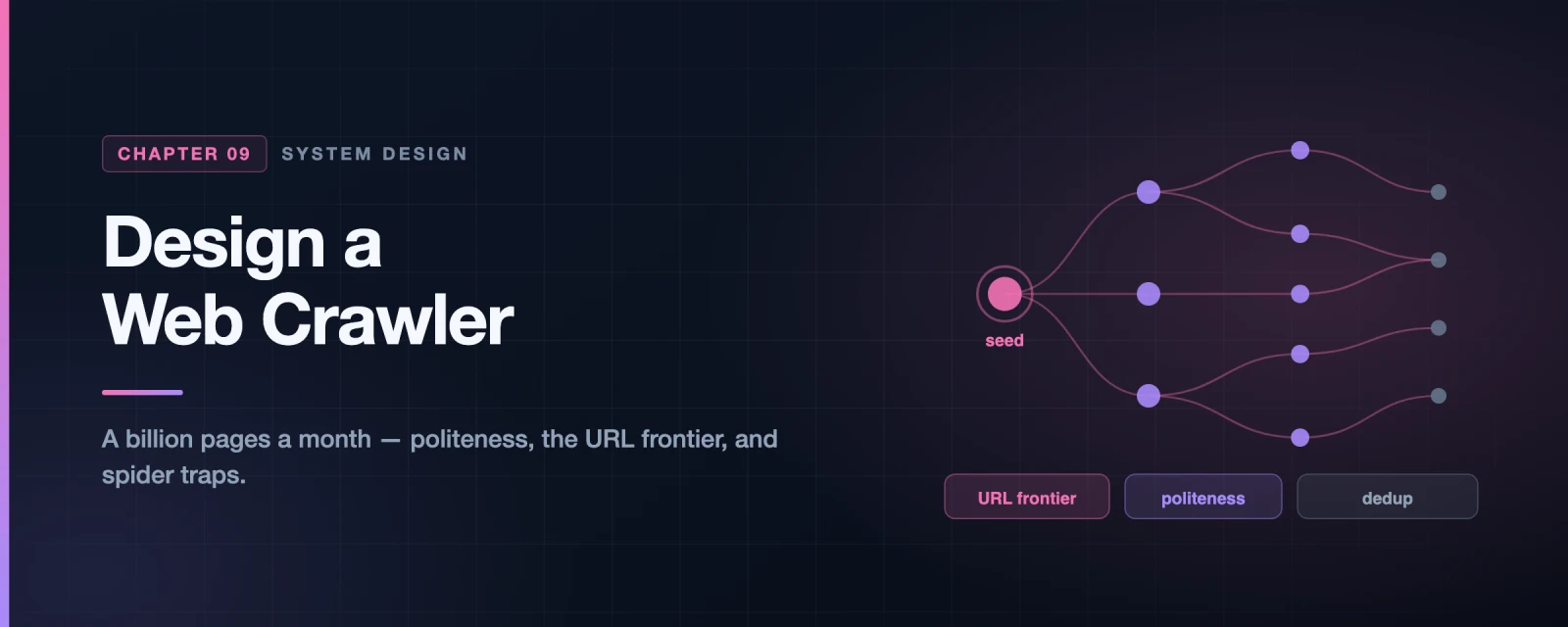
Design a Web Crawler

The algorithm for a web crawler fits on a napkin:

  1. Take a URL off a queue.
  2. Download the page.
  3. Extract its links.
  4. Put the new ones back on the queue. Repeat.

Write that and you have a crawler. Point it at the open web and within about ten minutes you will have been rate-limited, IP-banned, trapped in an infinitely deep calendar page, and served the same article eleven times under eleven different URLs.

Continue reading »
Design a URL Shortener

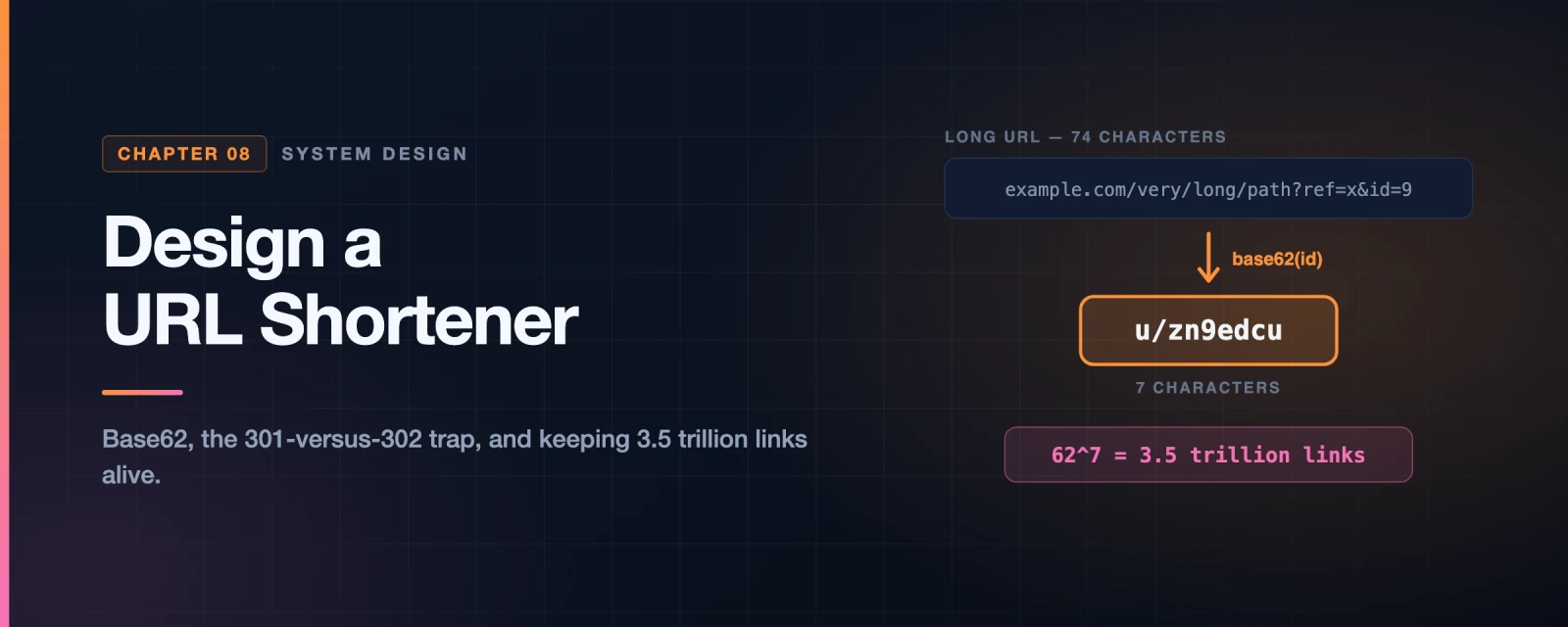
A URL shortener looks like the easiest system design question you will ever get. Store a mapping, hand back a short string, redirect. You could write it in an afternoon.

That is exactly why it gets asked. The naive version really is trivial — so the interview is not about whether you can build it. It is about whether you notice the four decisions hiding inside the triviality:

  1. How short can the code be? Not a guess — an arithmetic answer from the traffic estimate.
  2. How do you generate the code? Hash the URL, or encode a counter? They fail in completely different ways.
  3. 301 or 302? One of these silently destroys your analytics and makes links impossible to change. Most candidates pick it.
  4. What stops your service becoming a phishing tool? Every real shortener spends more engineering effort here than on the shortening.

We will build it properly, in the order an interviewer expects, and then cover the production concerns the textbook treatment leaves out.

Continue reading »

Design a Unique ID Generator in Distributed Systems

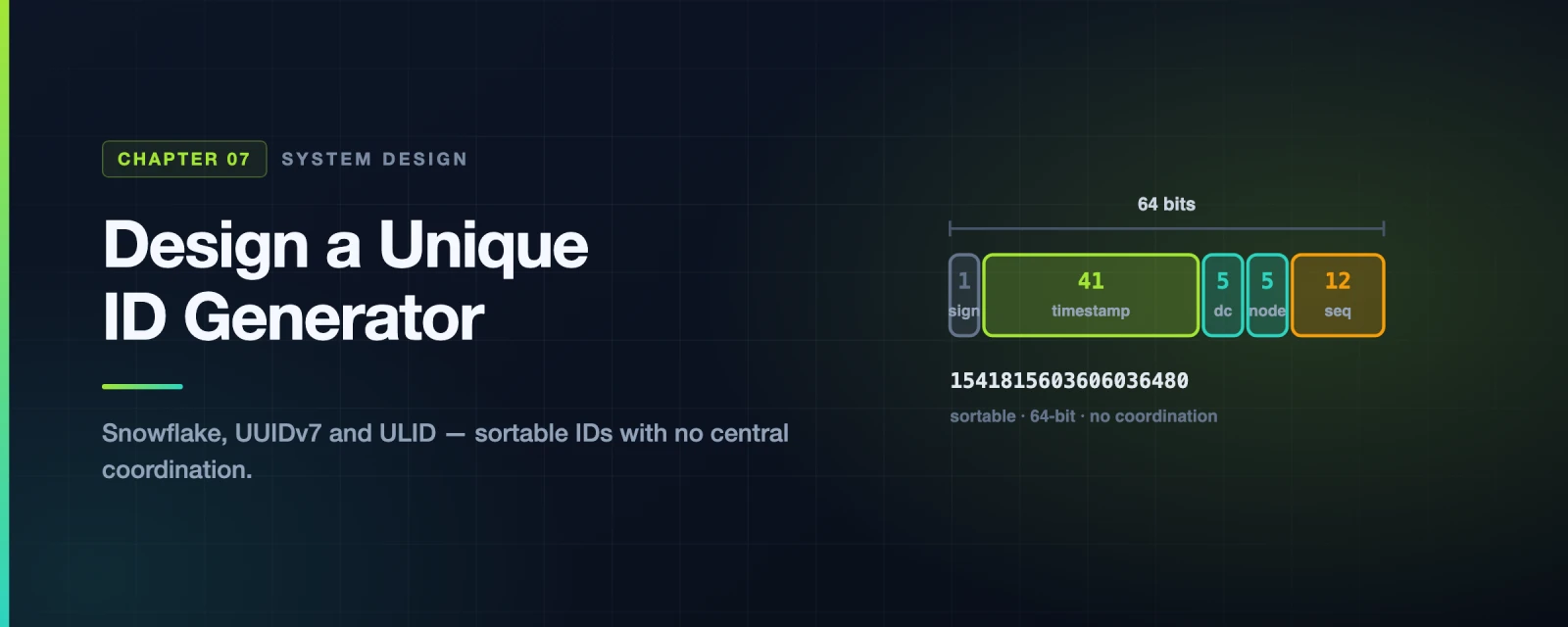
Every row in your database needs a name. For years that name came from one line of SQL:

CREATE TABLE orders (
  id BIGINT PRIMARY KEY AUTO_INCREMENT,
  ...
);

The database hands out 1, 2, 3, 4. They are unique, they are sortable, they are small. It is a solved problem — right up until the moment you have two databases.

Then it stops working, quietly and catastrophically. Both databases happily hand out ID 1. Two different orders, same identifier. Your foreign keys now point at the wrong rows, and no error was raised anywhere.

Continue reading »

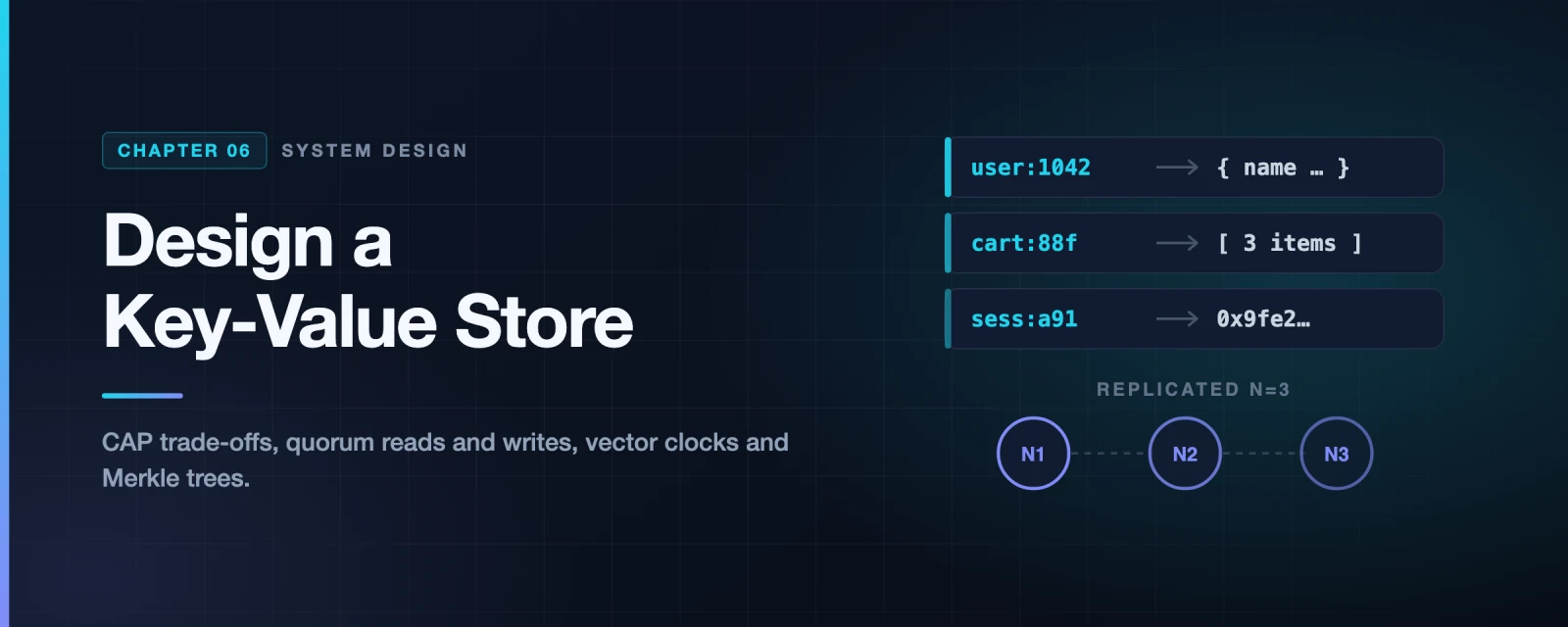
Design a Key-Value Store

Amazon DynamoDB stores hundreds of trillions of items and handles tens of millions of requests per second at peak. Netflix uses it to keep track of what you were watching. Airbnb uses it for availability calendars. Discord uses it for message storage.

What do all of these have in common? They all need to store and retrieve data by a simple key — blazingly fast, at global scale, with near-zero downtime. That’s what a key-value store does.

Continue reading »

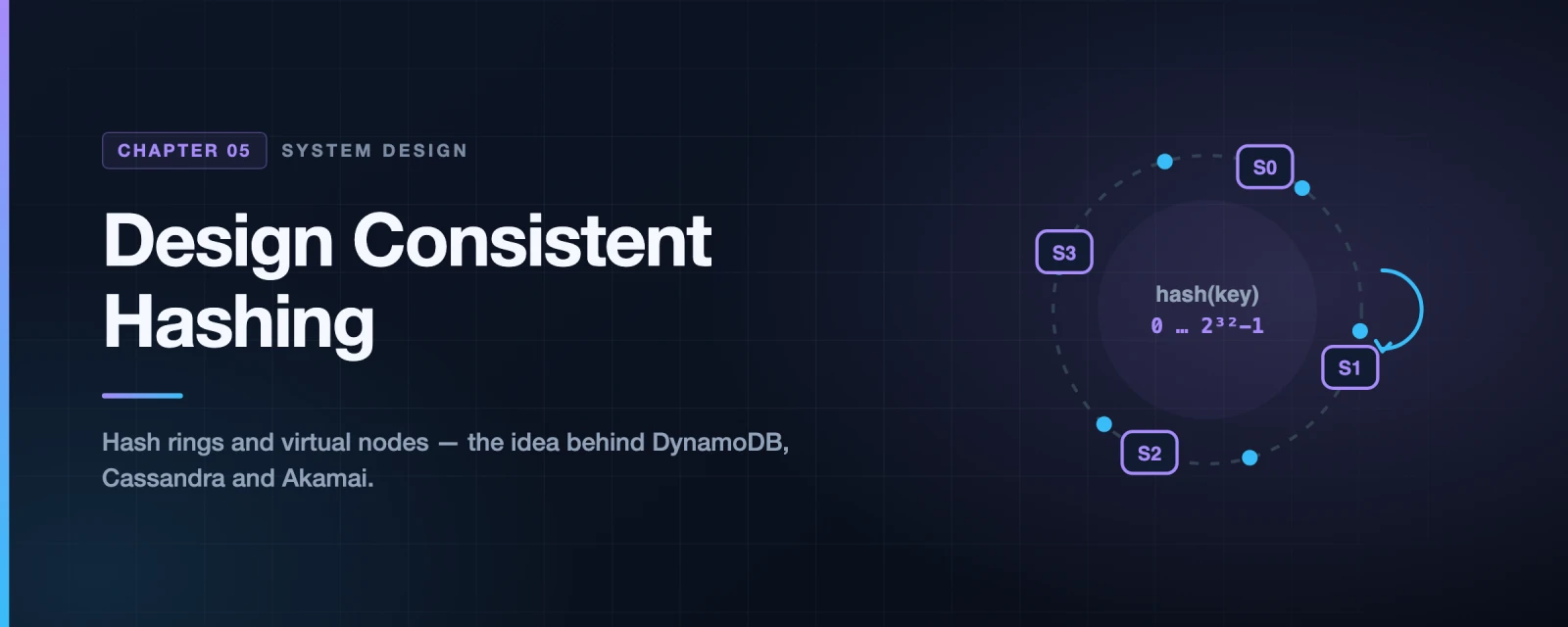
Design Consistent Hashing

Imagine you are the infrastructure engineer at a hot social media platform. Your system is humming along with 4 cache servers, each holding about 25% of your data. Life is good.

Then your platform goes viral overnight. You urgently add a 5th server. You restart everything. And suddenly, your database is on fire — every single cache server is getting a tsunami of cache misses. Users experience 10× slower page loads. The whole site is crawling.

Continue reading »

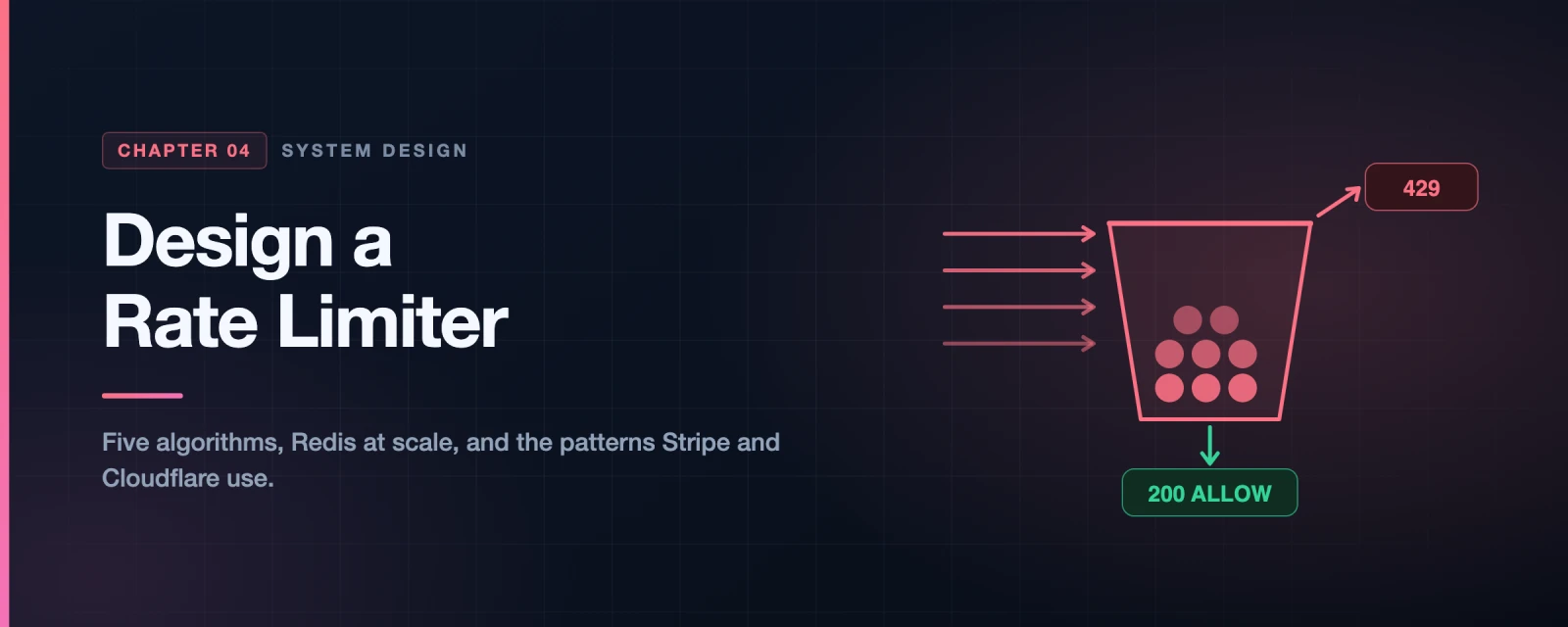
Design a Rate Limiter

It’s 11:59 PM on Black Friday. Your e-commerce platform has been running smoothly all day. Then at midnight, 500,000 shoppers simultaneously hammer your /checkout API. Your servers start queuing requests. Then they start dropping requests. Then they crash. Every second of downtime costs thousands of dollars in lost sales.

Meanwhile, a competitor’s site — running the exact same infrastructure — handles the load just fine. The difference? They had a rate limiter.

Continue reading »

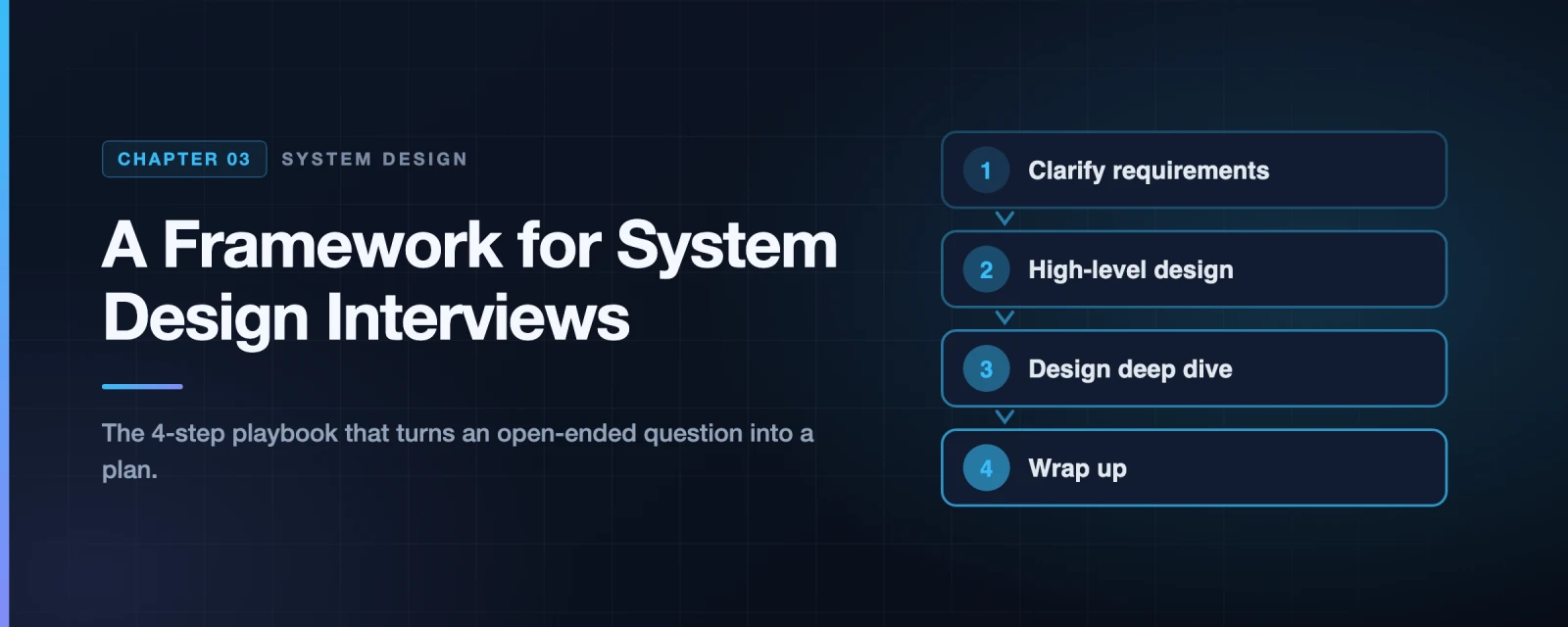
A Framework for System Design Interviews: The Complete Playbook

You just landed an on-site interview at your dream company. The schedule lands in your inbox. Most sessions look manageable — coding, behavioural, a hiring manager chat. Then you see it: System Design Interview.

Your stomach drops.

“Design Twitter.”
“Build a URL shortener.”
“How would you architect YouTube?”

These questions feel impossibly broad. How could anyone design a system that took hundreds of engineers years to build — in 45 minutes? Here’s the secret that most engineers miss:

Continue reading »

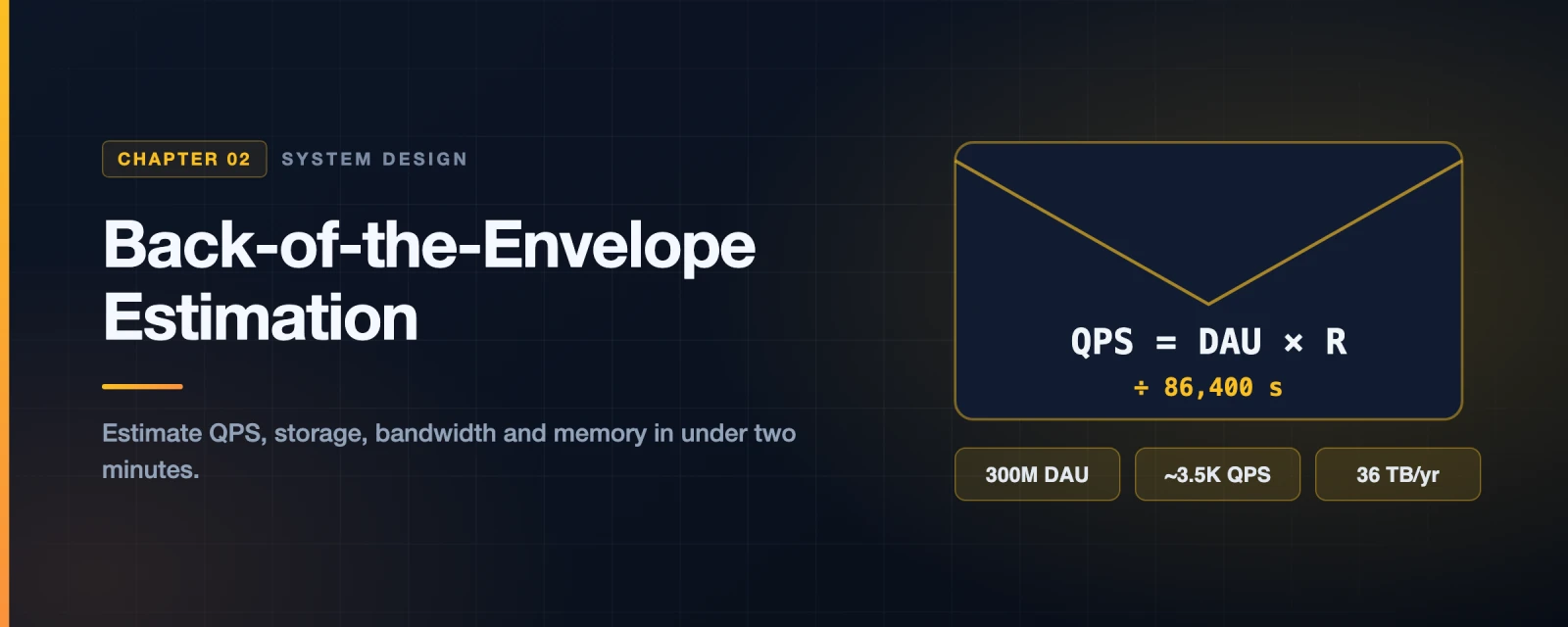
Back-of-the-Envelope Estimation: The Art of Making Smart Guesses

Imagine your interviewer says: “We’re designing Instagram Stories. How much storage do we need per year?”

Most junior engineers freeze. They don’t know where to begin. They feel like they need exact numbers — the real database size, the real compression ratios, the real usage stats.

Here’s the secret: you are not supposed to be exact. You are supposed to be directionally correct.

Back-of-the-envelope estimation is the skill of producing a reasonable answer in 2–3 minutes using simple math and a handful of memorized numbers. Google’s Jeff Dean calls it:

Continue reading »

Scale From Zero to Millions of Users: A Complete System Design Walkthrough

Designing a system that supports millions of users is challenging — it is a journey that requires continuous refinement and endless improvement. In this post, we build a system that supports a single user and gradually scale it up to serve millions of users. After reading this, you will master a handful of techniques that will help you crack system design interview questions.

A journey of a thousand miles begins with a single step. Building a complex system is no different.

Continue reading »